Six bowls tested

Slow Down the Scoffing, Protect Their Stomach

We compare the best slow feeder bowls for dogs that eat too fast — reducing the risk of bloat, choking, and post-meal vomiting.

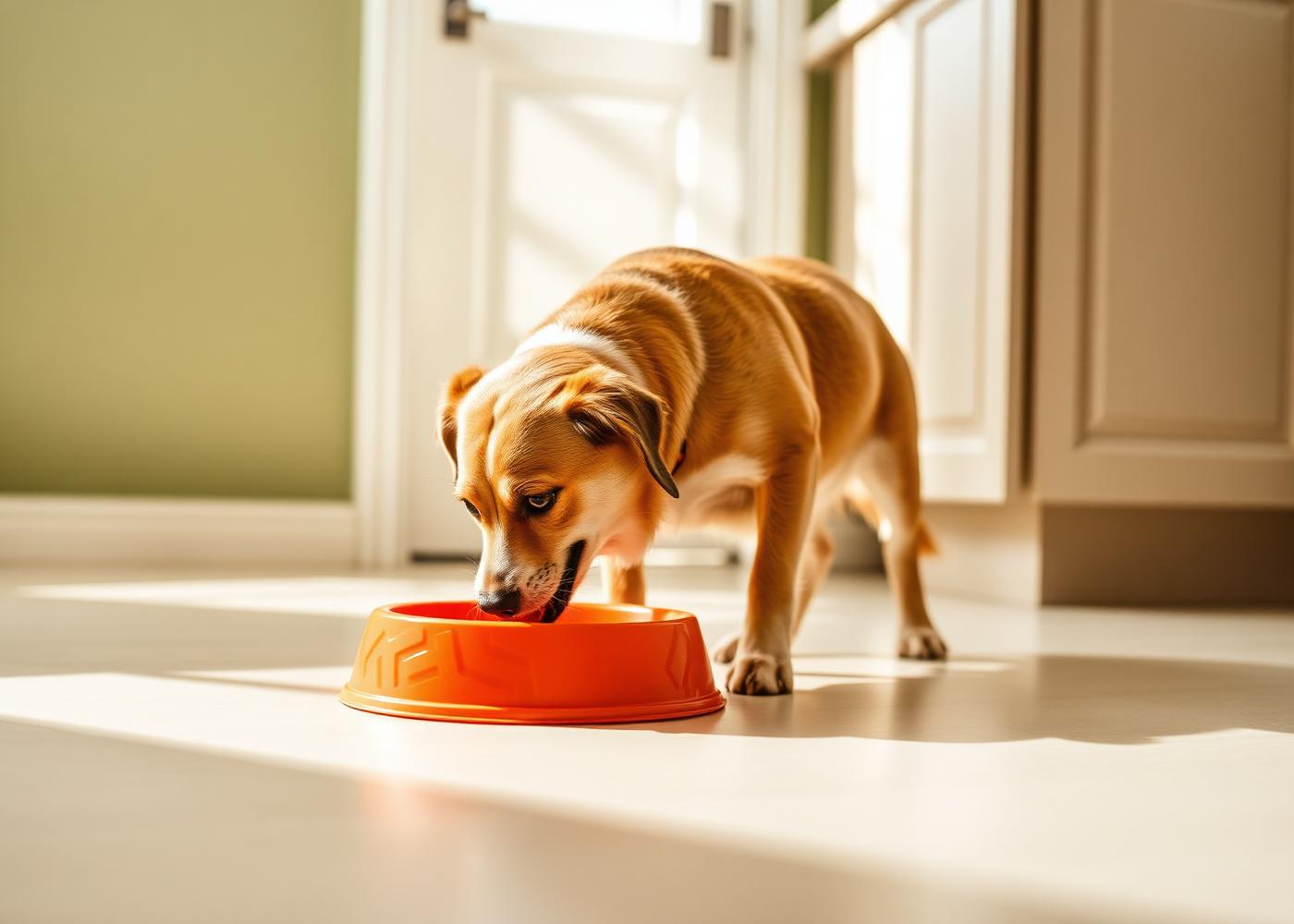
Dog eating from an orange maze-pattern slow feeder bowl

Dogs that inhale their food rather than eating it are at genuinely higher risk of bloat, a serious and sometimes life-threatening condition, along with more everyday problems like choking, vomiting shortly after eating, and excess gas. Slow feeder bowls use raised ridges, mazes, or compartments to force a dog to eat around obstacles rather than gulping straight down. We've compared six designs on effectiveness, ease of cleaning, and durability against enthusiastic chewers.

The six bowls, side by side

ProductPattern ComplexityPriceRating
MazeBowl InteractiveHigh£12-164.5
RidgeFeed SimpleLow-Medium£8-114.5
DurableChew Heavy-DutyMedium£15-204.5
TravelSlow PortableMedium£9-134.0
CeramicSlow Heavy BaseMedium£16-224.5
BudgetSlow BasicLow£6-93.5

Full reviews

Best for gulpers

MazeBowl Interactive Slow Feeder

4.5 / 5£12-16

The maze pattern here is genuinely intricate, forcing even the most determined fast eaters to navigate around the raised sections rather than simply pushing through in one motion, which noticeably extends mealtime. The non-slip base stops the bowl skidding across the floor, which cheaper flat-bottomed slow feeders often suffer from once a dog starts pushing against the ridges. The detailed pattern does mean more nooks for food debris to hide in if you're washing by hand rather than using a dishwasher.

Read the full review
Easiest to clean

RidgeFeed Simple Slow Bowl

4.5 / 5£8-11

A more straightforward ridge design that's easier to clean properly than intricate maze patterns, since there are fewer tight corners for food to get stuck in. It works well with both wet and dry food, which some heavily mazed designs struggle with. For a moderately fast eater, the slowing effect is noticeable and effective, though a genuinely determined, food-motivated dog may find ways around the simpler pattern faster than they would a more complex maze.

Read the full review
Best for chewers

DurableChew Heavy-Duty Slow Feeder

4.5 / 5£15-20

Built specifically for dogs that don't just eat fast but also tend to chew or bite at the bowl itself in their enthusiasm — the reinforced material holds up to this kind of wear noticeably better than standard plastic slow feeders, which can crack or get chewed through over time with a persistent dog. The sturdy, heavier base stays firmly in place even during vigorous eating. It's a bulkier, heavier bowl overall, which is a fair trade-off for the added durability.

Read the full review
Best for travel

TravelSlow Portable Feeder Bowl

4.0 / 5£9-13

Designed for taking on walks, car trips, or holidays where a rigid slow feeder bowl would be impractical to pack — this folds flat and takes up minimal space. The slow-feeding ridges still provide a genuine effect despite the compact, foldable design, though it's not built for the rigours of daily home use over years the way a solid plastic or ceramic bowl would be. Best used as a travel companion alongside a primary home slow feeder.

Read the full review
Stays put

CeramicSlow Heavy Base Bowl

4.5 / 5£16-22

The ceramic material and weighted base combination makes this essentially immovable during even the most enthusiastic fast-eating session, solving the sliding-bowl problem some plastic feeders have. Ceramic also has genuine hygiene advantages over plastic, resisting scratches and the odour buildup that scratched plastic bowls develop over time. Being ceramic, it's obviously not suited to travel and needs a bit more care to avoid breakage if knocked off a counter or dropped.

Read the full review
Cheapest trial

BudgetSlow Basic Feeder Bowl

3.5 / 5£6-9

A low-cost way to find out whether slow feeding genuinely helps your particular dog before investing in a premium option. The basic ridge pattern does provide some slowing effect, though the lighter plastic construction means it's more prone to sliding around during eating compared to the weighted or non-slip base options on this list, so placing it on a non-slip mat is worth considering alongside this purchase.

Read the full review
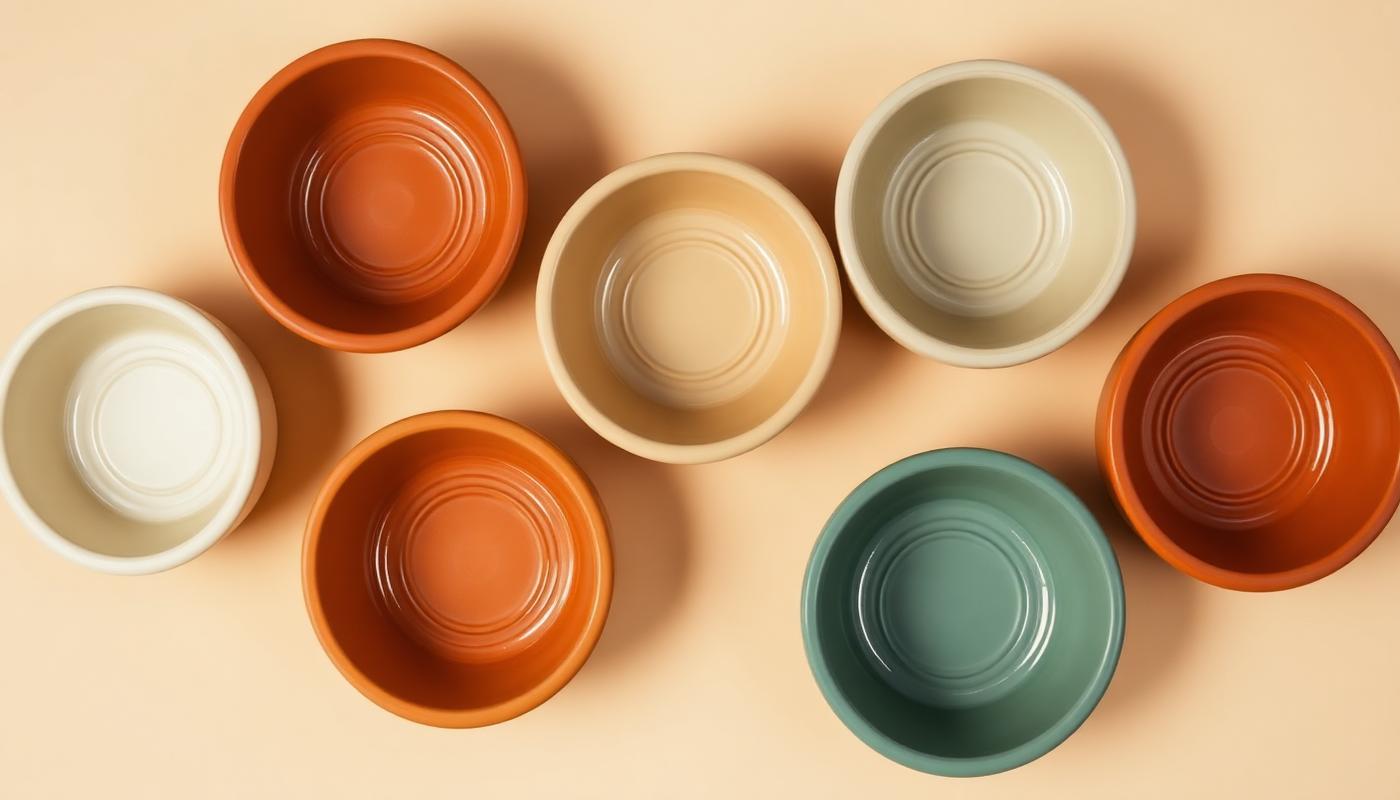
Selection of slow feeder dog bowls in orange, cream and green

Not sure which pattern suits your dog?

Pattern complexity, bowl material and cleaning effort all matter more than price. Our buying guide walks through the four things worth checking.

Read the buying guide